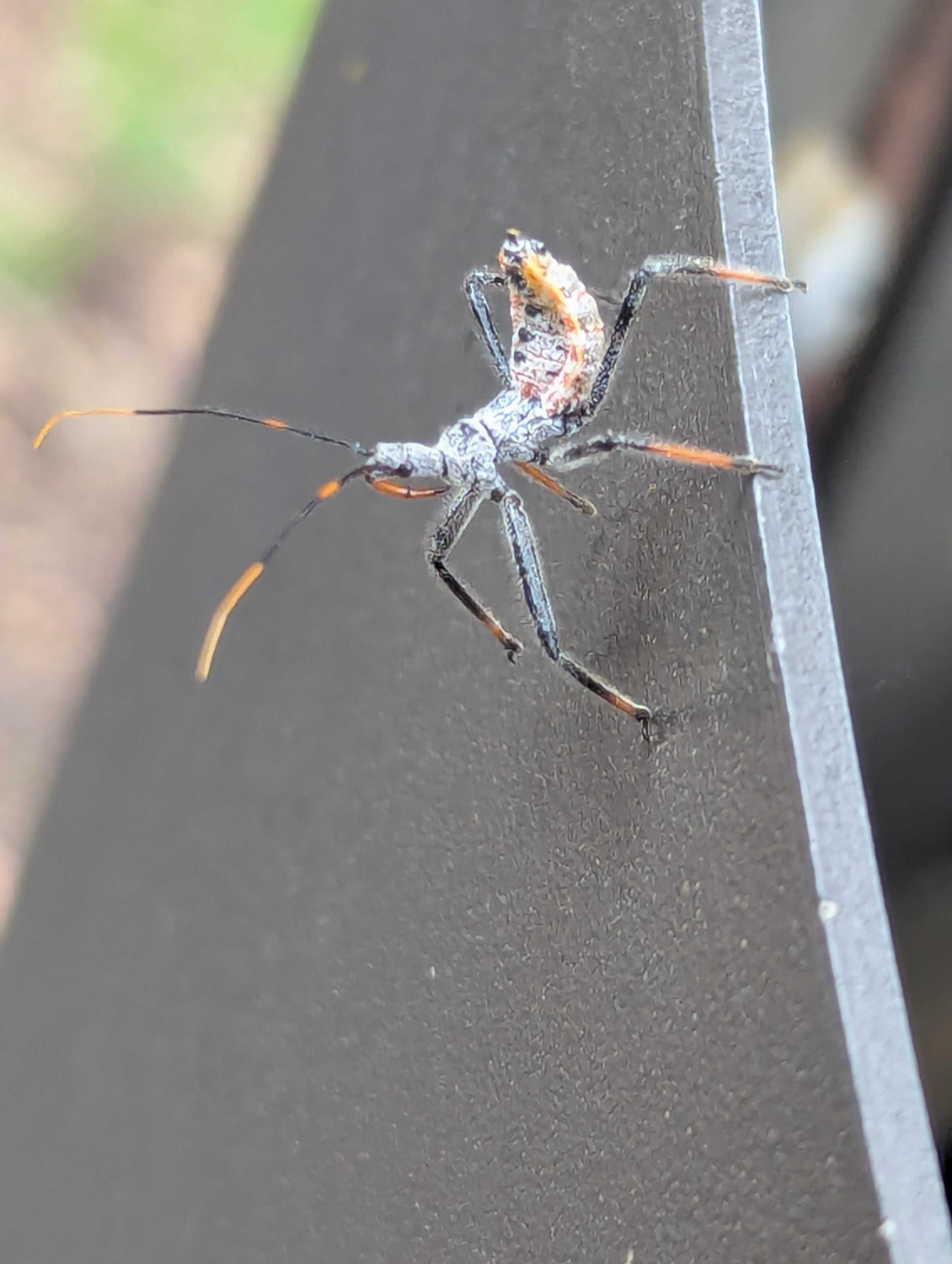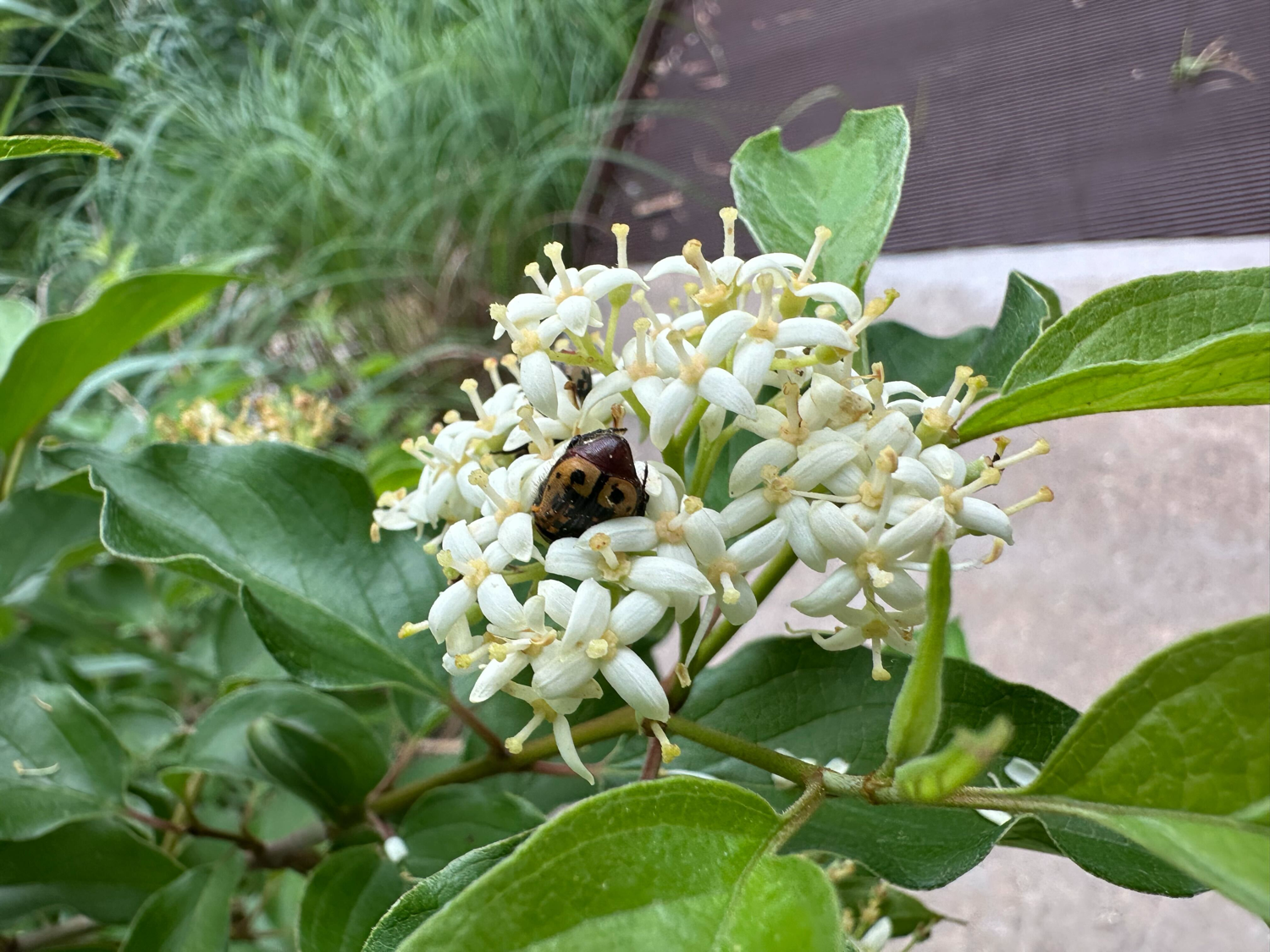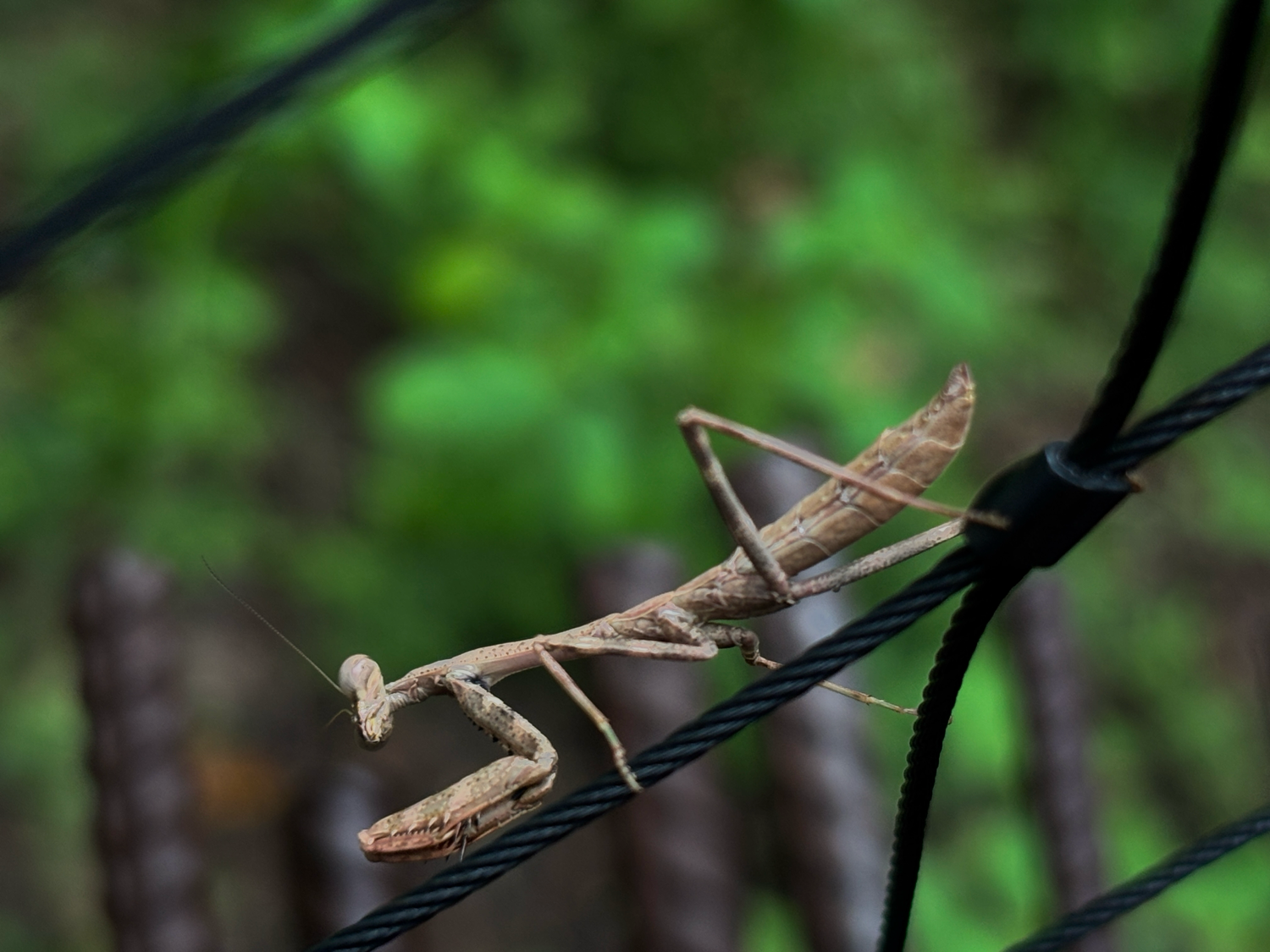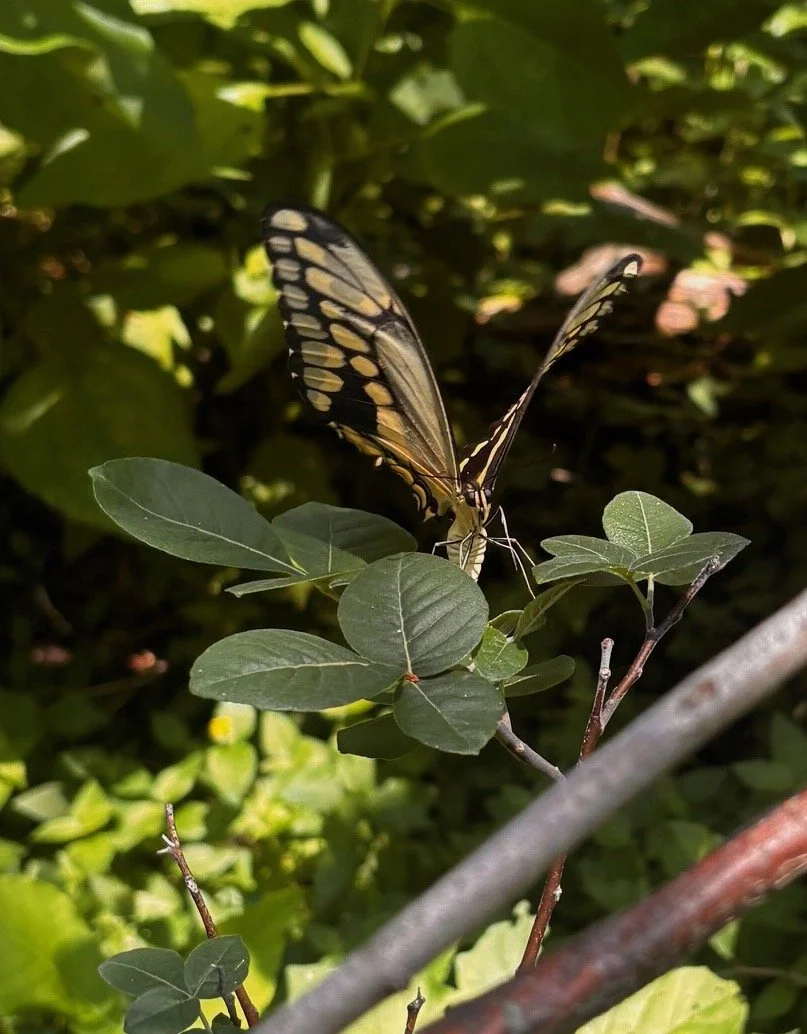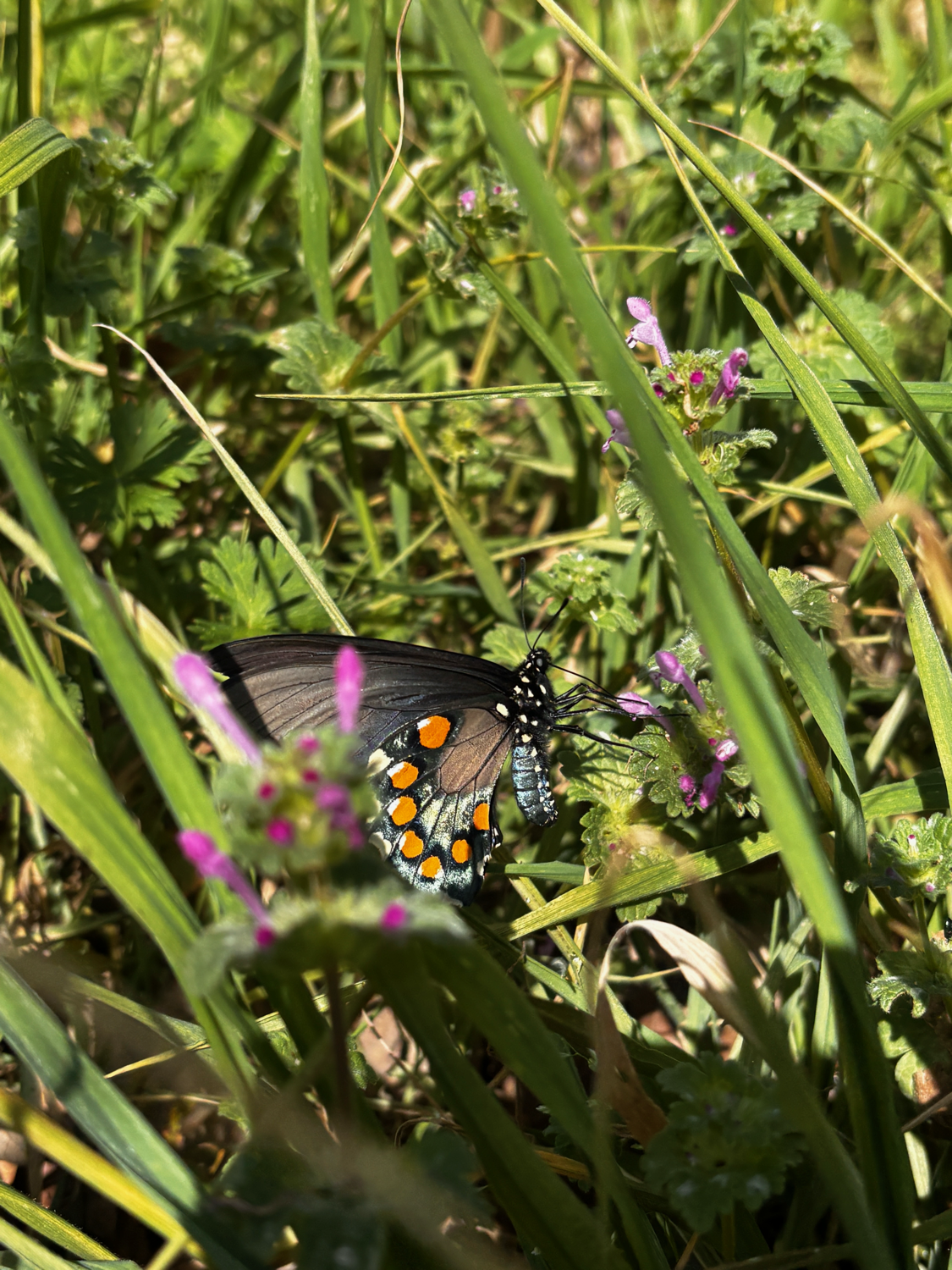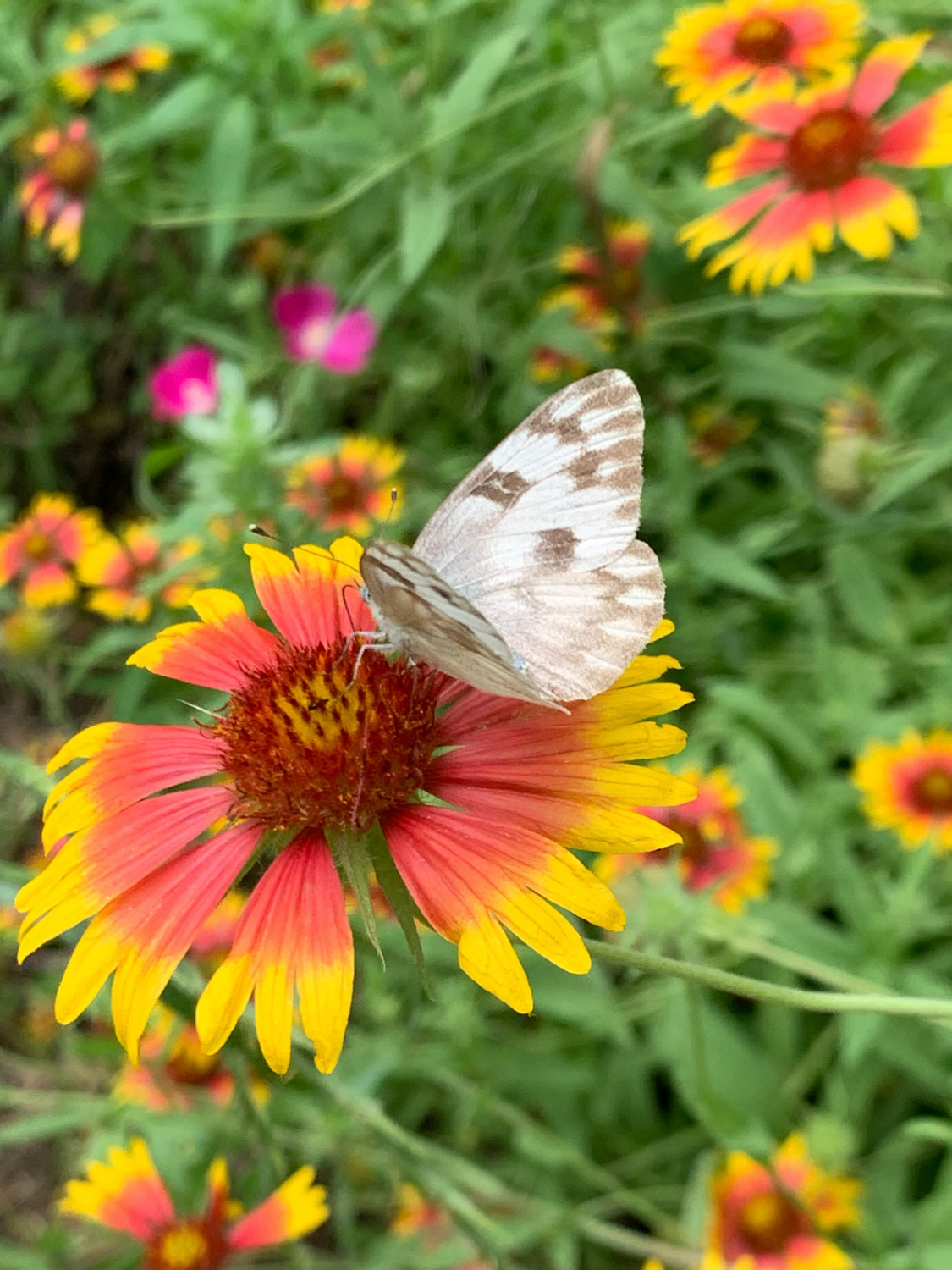
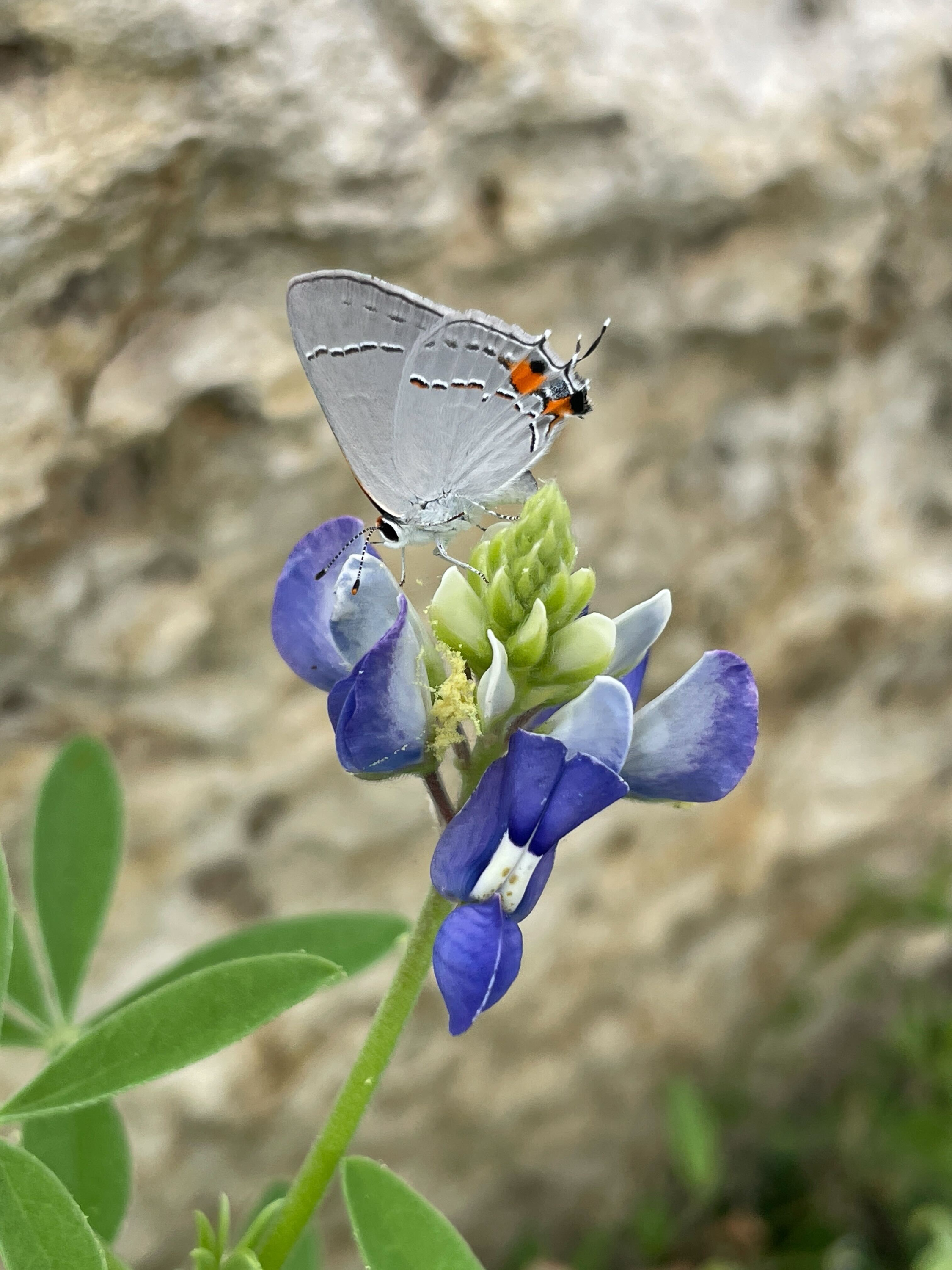
Photo credit for this story goes to our in-house bug photographer, Marrisa Bandera, Pease Park Conservancy Park Operations Tech. We are so lucky to have her on our team to share her talents with us.
Bugs! Maybe they creep you out, make you jump, or send you scrambling when you spot one in your home. But we’re here to make the case for loving those little buzzing, crawling insects, because without them, we’d all suffer the consequences.
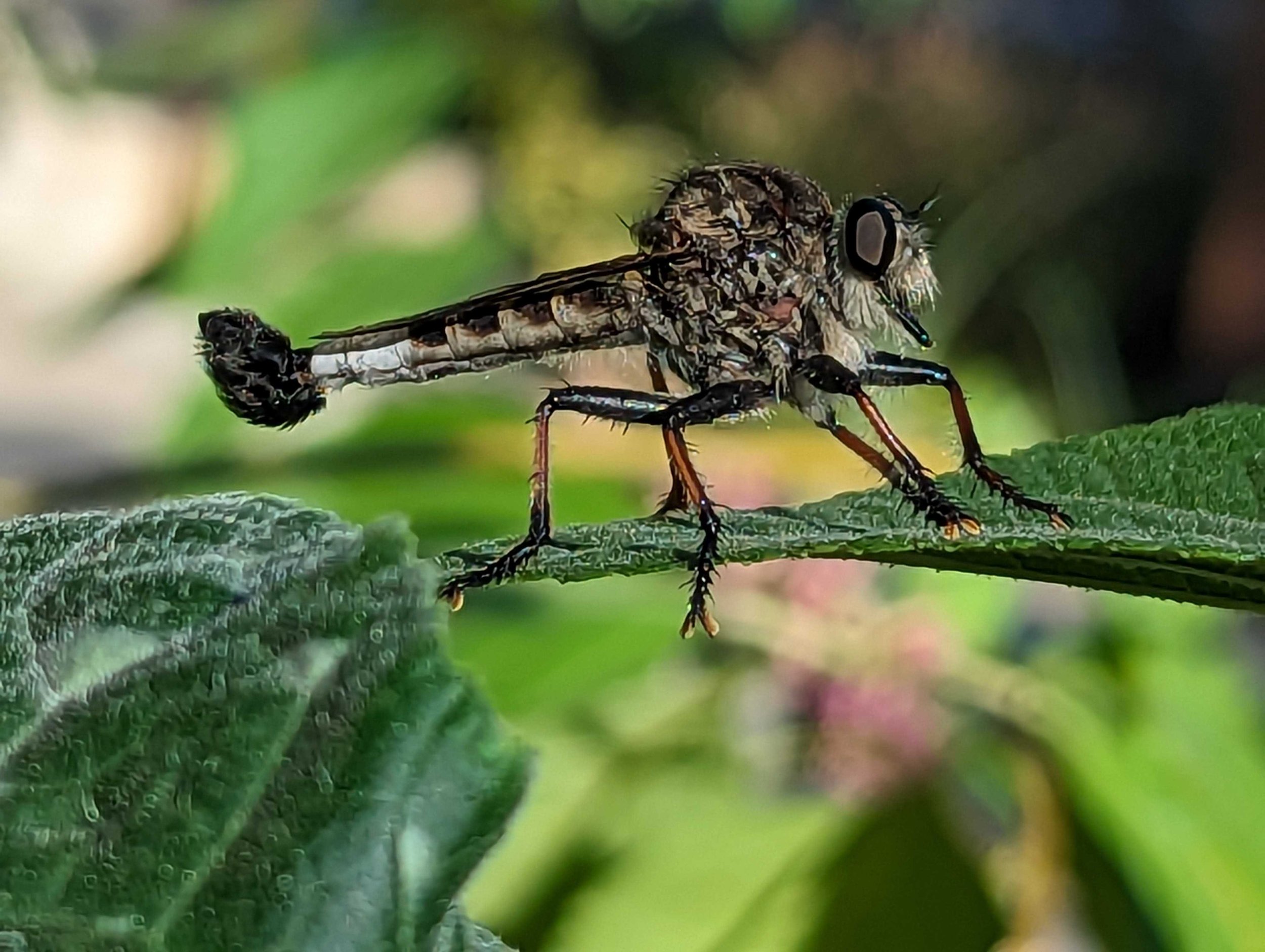
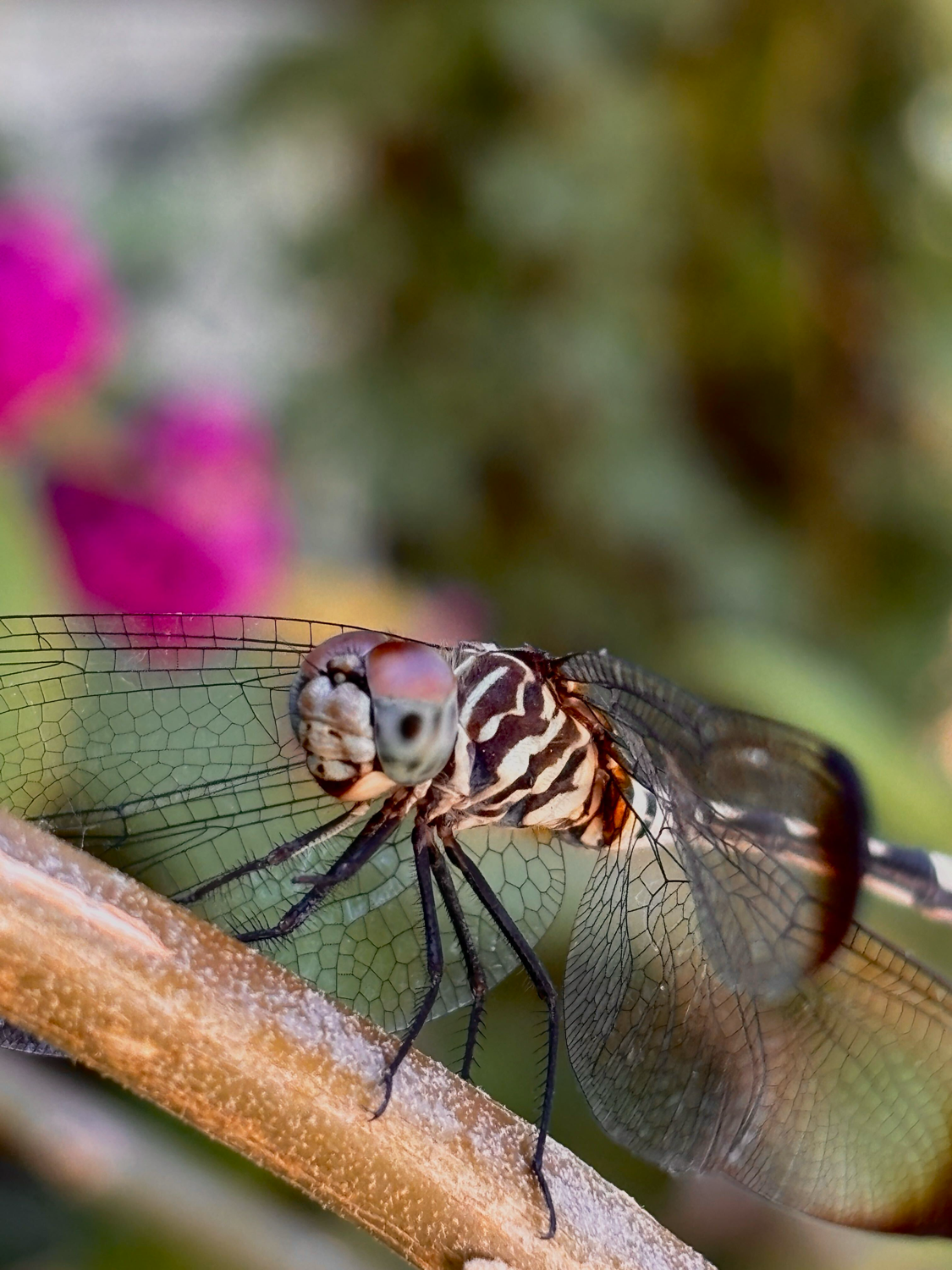
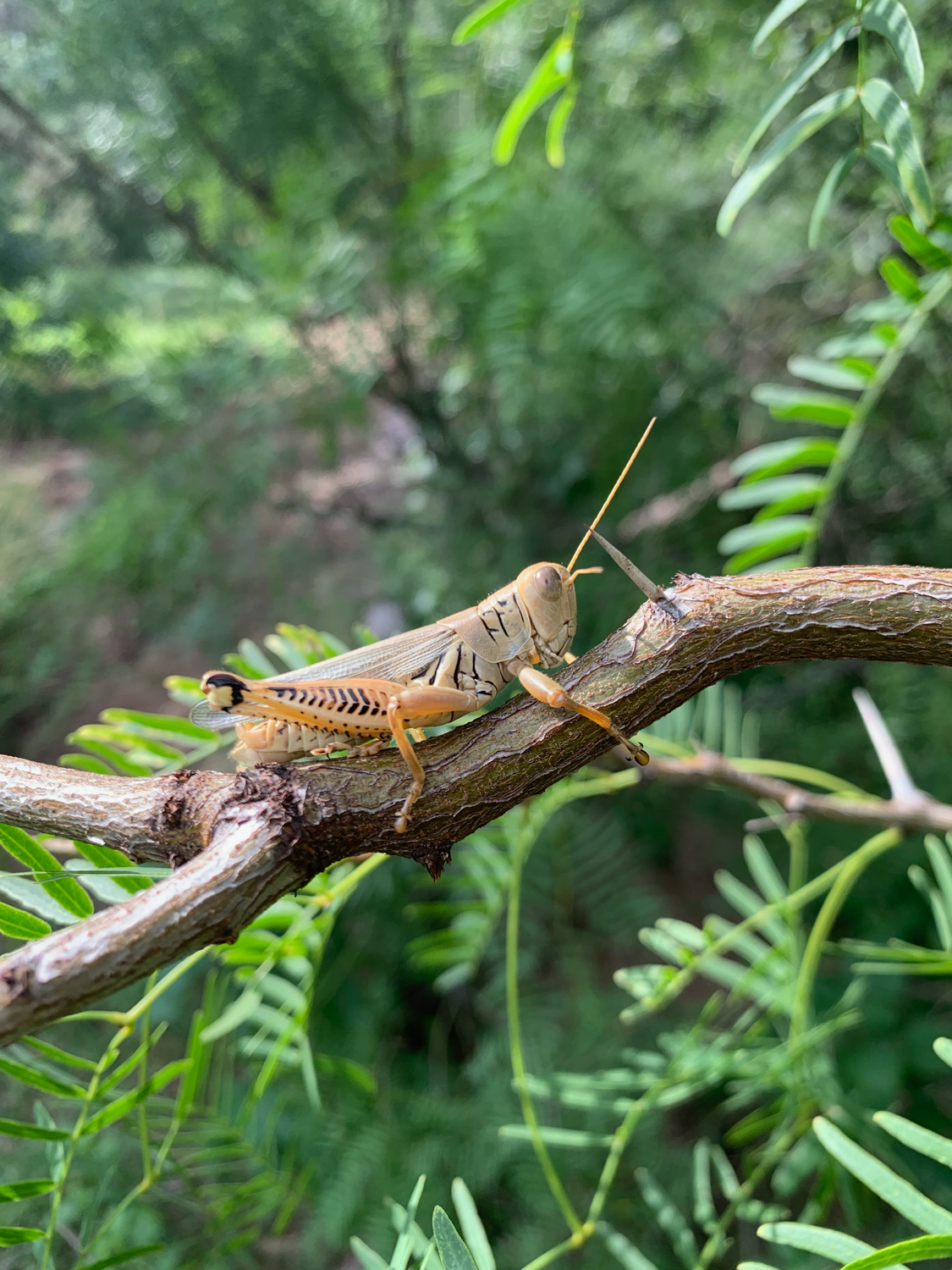
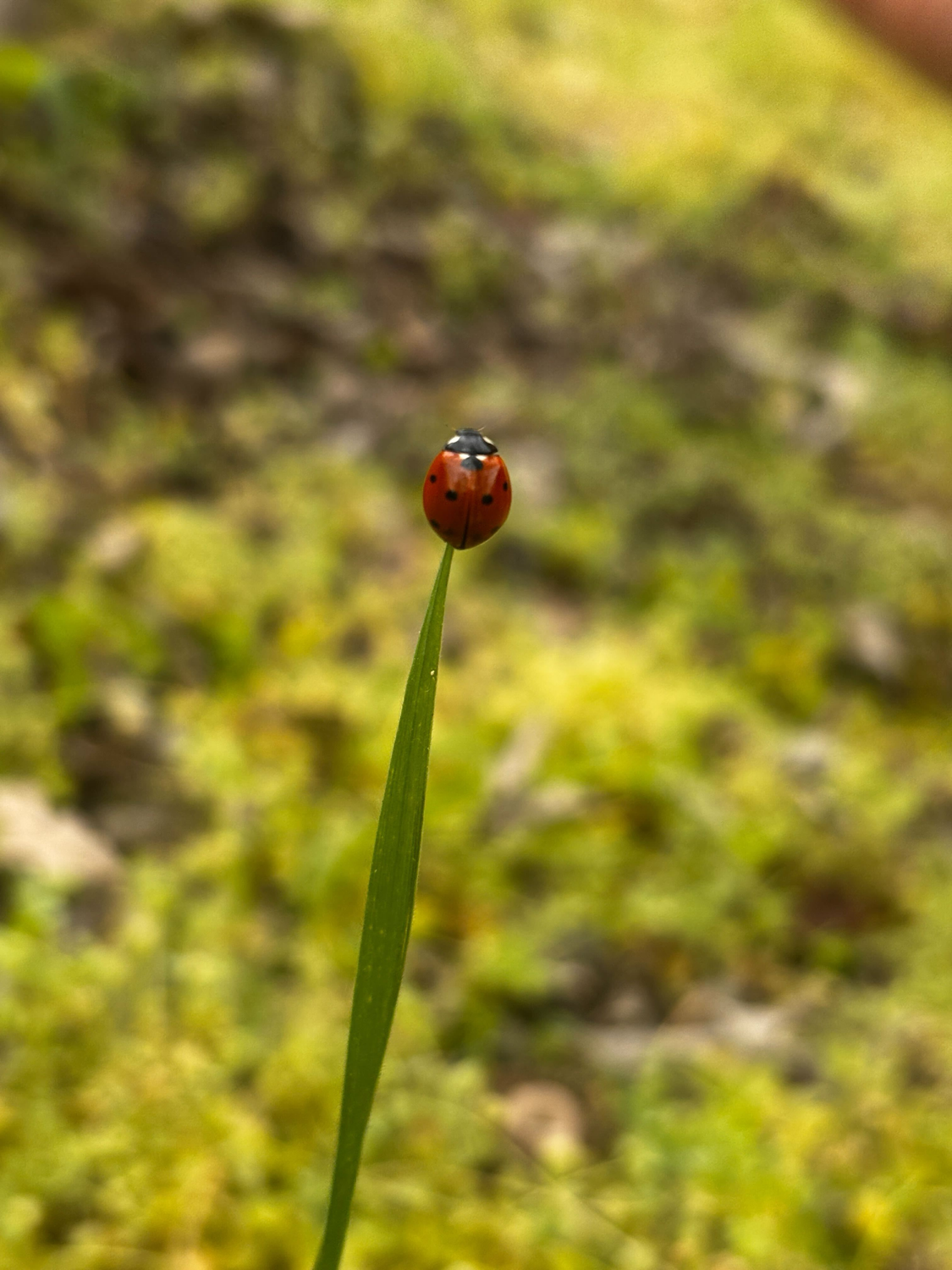
Insects are essential to our world. They don’t just pollinate the flowers we love to look at; they pollinate our crops. Without insect pollination, much of the food we depend on would no longer grow.
Wendy Zukerman and Dr. Jessica Ware explore this topic in an entertaining and informative Science Vs. podcast episode, “Where Have the Insects Gone.”
Insects are a part of the world’s circle of life. Think back to our environmental science class: when insect populations decline, it affects the birds that eat them, which in turn ripples through the entire food web that depends on biodiversity. At last week’s Pease Park Birding with Travis Audubon event in Live Oak Meadow, Travis Audubon leader Chris Gunter shared that across North America, aerial insectivores-- birds that catch bugs mid-air, like swallows, swifts, and flycatchers-- have lost 32% of their total population since 1970. As an example of the massive number of bugs it takes to keep an ecosystem thriving, Chris also shared that it takes 6,000-9,000 caterpillars to feed a clutch of Chickadees until they reach maturity. Those Chickadee parents need to find 350 to 570 caterpillars every day, depending on the number of chicks. Those are some busy Chickadees!
Some insects are decomposers, and it’s easy to take their work for granted. They break down dead plants, animal carcasses, and waste, recycling vital nutrients back into the soil. We rarely have to confront the unsightly, stinky mess that would otherwise pile up in our environment, all thanks to these little critters doing their thing.
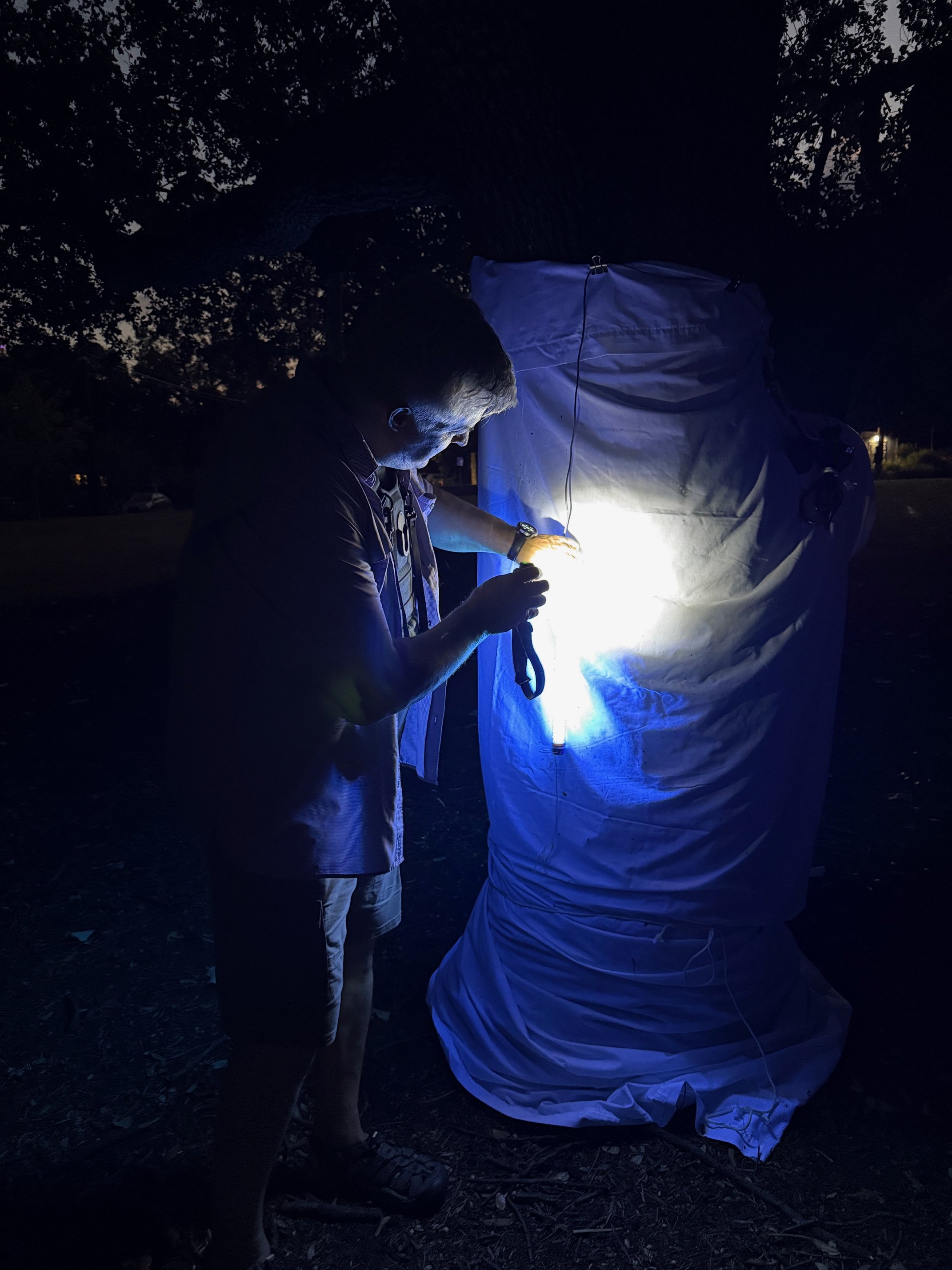
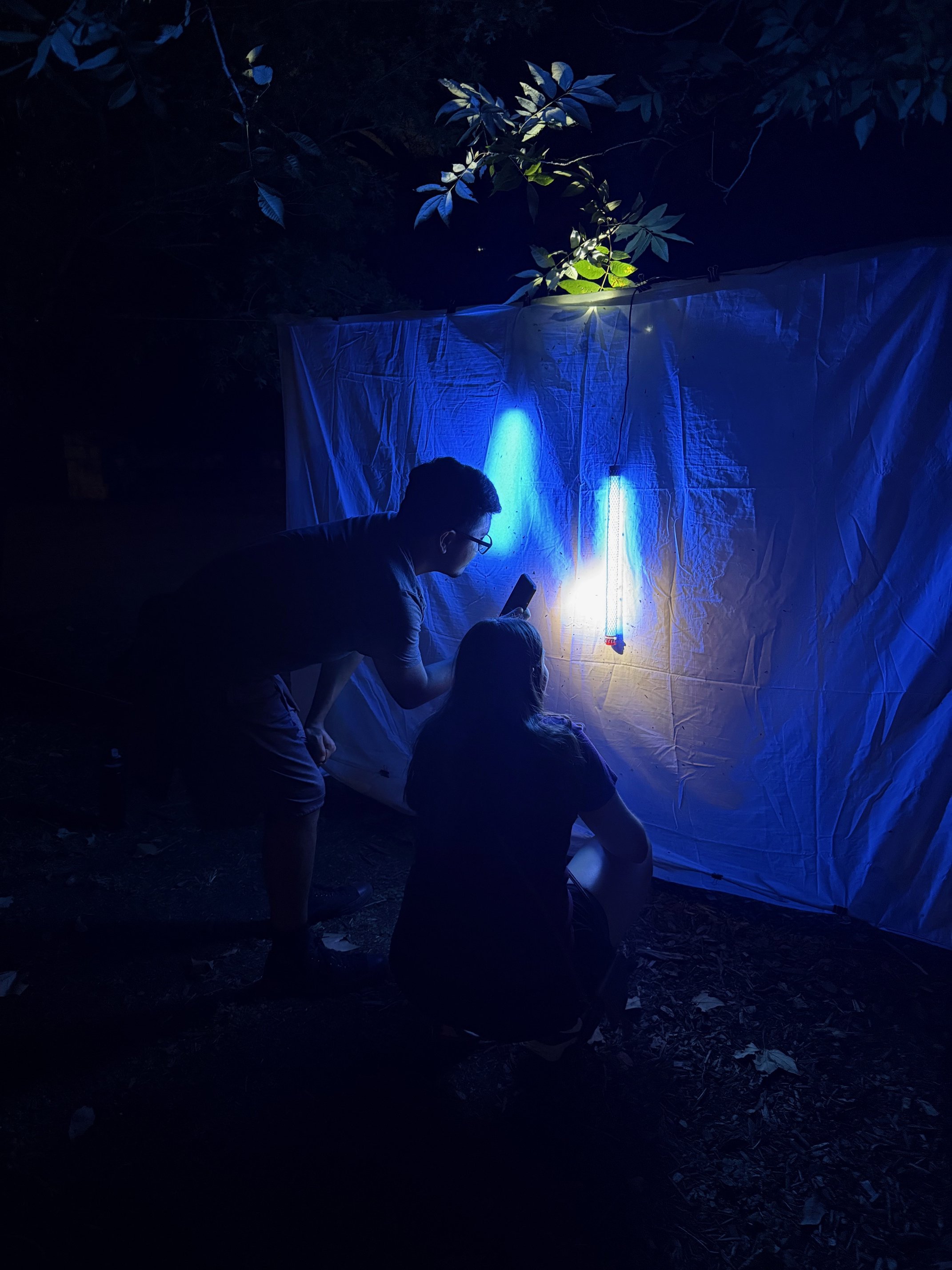
So in appreciation of insects, we hope you’ll join our upcoming Mothing event on the evening of Saturday, September 26 along the Shoal Creek Trail, hosted by Dr. Curtis Eckerman, Professor and Department Chair of Biology at Austin Community College. As he shared, “These creatures, often overlooked, play crucial roles in the tapestry of life, serving as vital indicators of environmental health.” Moth species outnumber butterfly species in Central Texas by almost 10:1-- there are 4,000+ species of moths compared to 100+ species of butterflies! He’ll have blacklights and sheets set up so you, along with his students, can observe and share your findings through iNaturalist, contributing to his ongoing study of moth populations in the Central Texas area.